“Your kitchen already holds everything you need for spa-quality skin—because the best face masks aren’t always found in $50 jars; sometimes they’re sitting in your pantry, waiting for you to combine them correctly.”
Introduction: The Ritual of the Face Mask
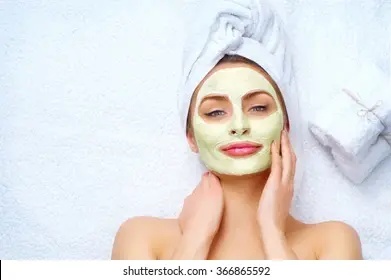
There is something calming about a face mask. It is that moment during a busy week when you take a break, smooth a delicious pebble, and relax. For 15 minutes, the world narrows down to the sound of your breath as you close your eyes and let your imagination run wild. Your phone can wait, the dishes can wait – for now, it is just you and your skin having a much-needed moment of luxury.
A face mask, however, is something more than a luxury self-care ritual. It can be an essential step in your skincare routine. It allows for the introduction of higher concentrations of beneficial substances into the skin compared to traditional cleansers and moisturizers. A mask can detoxify and hydrate, exfoliate and energize, soothe and heal, depending on the type and ingredients.
So, which of the many types of face masks is right for you? Which one is best for your skin type and concerns? How often should one use a face mask? Can one make a face mask at home? And why did your skin erupt in angry red pimples, instead of glowing health after that amazing mask you tried last night? In this article, you will find all the answers!
Benefits of Using a Face Mask: Why a Mask Is a Must-Have Skincare Staple
A proper skincare routine is similar to a healthy diet in that it has staples and treats. A skincare mask is a treat. It is not necessary on a daily basis, but adding it to your weekly routine can provide astonishing results. A face mask can:
– give your skin a much-needed deep cleanse,
– intensely hydrate and plump,
– exfoliate,
– and most importantly, facilitate the penetration of other beneficial substances into the skin.
Think of a skincare mask as a deep tissue massage for your face – it is an essential addition to anyone’s skincare routine, who wants to keep their skin healthy and glowing.
-Different Types of Masks: What You Should Know About Them
A lot of masks are similar in terms of ingredients and function, but they are not the same. Below are the most common mask types for face care, the ingredients to look for, who should use them, how to apply them, and the benefits they provide.
1. Clay Masks
What it is: A natural clay mask. What it does: Deeply cleanses and detoxifies the skin. Who it is for: Oily, acne-prone skin and combination skin. Ingredients to look for: Bentonite, kaolin, French green clay, salicylic acid, sulfur. Tip: Do not let the mask dry – remove it when it starts cracking. Why use it: Clay attracts oil, dirt, and toxins to the surface of the skin.
2. Sheet Masks
What it is: A single-use mask made of cotton, cellulose, hydrogel, or biocellulose soaked in a serum solution. What it does: Hydrates and provides the skin with a dose of beneficial ingredients. Who it is for: All skin types. Ingredients to look for: Hyaluronic acid, niacinamide, vitamin C, snail mucin, peptides, ceramides. Tip: Do not rinse the mask – gently pat the remaining serum into the skin. Why use it: Sheet masks help the skin to absorb more active ingredients for a healthier appearance.
3. Cream and Gel Masks
What they are: Cream or gel-like lotions. What they do: Hydrate, soothe, and nourish the skin. Who they are for: Dry, sensitive, and mature skin. Ingredients to look for: Shea butter, squalane, aloe vera, honey, oat extract, centella asiatica. Tip: You can use them as a sleeping mask if you apply a thin layer of it before going to bed. Why use them: Cream and gel masks allow for a slow penetration of beneficial substances into the skin over an extended period of time.
4. Peel-Off Masks
What they are: Liquid masks that when dried, resemble the skin and can be peeled off. What they do: They remove dead cells and sweat. Who they are for: Oily skin and blackheads. Ingredients to look for: None specific. Tip: Do not use them on sensitive skin and do not peel them when they are too dry – if the mask starts to hurt, rinse it off immediately. Why use them: Peel-off masks help to gently remove dead cells and peach fuzz from the skin’s surface.
5. Exfoliating Masks
What they are: Masks with AHAs such as glycolic and lactic or enzymes such as papain and bromelain. What they do: Remove dead cells revealing new ones and brightening the skin. Who they are for: Dry or dull skin. Ingredients to look for: Glycolic acid, lactic acid, salicylic acid, papain, bromelain. Tip: Always apply a moisturizer and sunscreen after using an exfoliating mask since the skin becomes extra sensitive to UV light for the next 48 hours. Why use them: Exfoliating masks facilitate cell turnover and allow the skin to renew itself.
6. Charcoal Masks
What they are: Masks made with activated charcoal powder. What they do: Detoxifies the skin. Who they are for: Congested skin. Why use them: Charcoal gently draws out toxins, bacteria, and oil from the skin, leaving it refreshed and cleansed.
7. Bubble Masks
What they are: Masks that when applied to the skin, create bubbles. What they do: They loosen and remove dirt and excess oil. Who they are for: Oily skin and combination skin. Why use them: Bubbles masks allow the skin to gently breathe and shed dead cells and excess oil. Note that they can be irritating for sensitive skin, so they should be used rarely.
8. Sleeping Masks
What they are: Masks in a gelly-cream consistency. What they do: Hydrate and renew the skin overnight. Who they are for: Everyone, especially those with dry skin. Ingredients to look for: Hyaluronic acid, panthenol, niacinamide, peptides, squalane. Why use them: Sleeping masks allow for a gradual moisture boost overnight.
9. Hydrogel Masks
What they are: Masks made of a special hydrogel material. What they do: Soothe and refresh the skin. Who they are for: Sensitive skin and mature skin with fine lines. Why use them: Hydrogel masks keep the skin well-hydrated and gently deliver active ingredients without irritating the skin.
Which Mask Is Suitable for Which Skin Type?
Now that you understand the differences between the most common types of face masks, let us review which masks are suitable for which skin types.
Dry Skin
What to use: A mask with hyaluronic acid, glycerin, oil, honey, and ceramides. You can use a hydrating, gel sheet, cream, or sleeping mask, as they are all beneficial for dry skin. Avoid: Masks with a high concentration of acids, alcohol, or clay – they will excessively dry the skin.
Oily and Acne-Prone Skin
What to use: Clay, charcoal, or exfoliating mask with bentonite, kaolin, salicylic acid, sulfur, or tea tree oil. Use it once or twice a week to remove excess oil. Avoid: Cream masks with a high concentration of oil and use them too often.
Combination Skin
What to use: Combination masks for face care or multi-masking (using different types of masks for different parts of the face). For example, using a clay mask on the T-zone and a sheet mask on the cheeks. Avoid: Masks with a strong unpleasant smell or irritating ingredients.
Sensitive Skin
What to use: Cream, hydrogel, or sheet mask with soothing ingredients such as centella asiatica, oat extract, and allantoin. Avoid: Peel-off masks, sheet masks with irritating ingredients, and other types of face masks that make your skin prickle or tingle.
Mature Skin
What to use: Hydrating sheet masks, sleeping masks, or cream masks with retinol, hyaluronic acid, vitamin C, collagen, or coenzyme Q10. Avoid: Masks with harsh physical exfoliants. Dull Skin
What to use: Masks with vitamin C, lactic acid, glycolic acid, or fruit enzymes such as papaya enzyme and bromelain. Use them to gently remove dead cells and reveal glowing skin. Avoid: Masks with harsh chemical exfoliants such as sulfurous acid and salicylic acid with a high concentration. How to Apply a Face Mask: Face Mask Instructions for Beginners and Pros Alike
You may have bought the best mask for face care money could buy, but if you do not know how to apply it, it may end up doing more harm than good. Below are the basic rules for applying a face mask:
1. Cleanse and tone the skin before applying a mask. Use a cleanser suitable for your skin type. Double-cleansing (removing makeup with oil and then using a cleanser) is recommended for clay or exfoliating masks.
2. Exfoliate if using a hydrating or nourishing mask. Do not exfoliate if using an exfoliating mask.
3. Apply a mask to damp skin if using a hydrating mask. Applying hyaluronic acid-based masks to damp skin allows them to penetrate deeper into the skin layers and hydrate it from within. Apply a mask to dry skin if using a clay mask, so that it binds to oil rather than water.
4. Apply the mask liberally. For example, applying a thin layer of clay will not be enough to remove all of the impurities.
5. Follow the instructions regarding the duration of mask application. Remember that a longer duration does not always mean that the mask is beneficial. Usually, a mask should be removed when it starts tightening (clay masks), when a sheet mask starts to dry, or according to the manufacturer’s instructions (for exfoliating masks). Typically, a clay mask should be worn for 10-15 minutes, a sheet mask – for 15-20 minutes, an exfoliating mask – for the recommended several minutes, a cream mask – for 15-20 minutes, and a sleeping mask – overnight.
6. Remove the mask gently. Rinse your face with warm water if you used a cream or clay mask, pat your face dry with a towel if you used a sheet mask, and remove the rubber mask if you used a peel-off mask. Be gentle around your eyes. If a peel-off mask started to hurt, rinse it off immediately rather than peeling it.
7. Apply your serum and moisturizer to lock in the mask’s benefits after you removed it.
How to Make a Face Mask at Home: DIY Face Mask Recipes for Healthy Skin
Sometimes the best mask for face care is the one you make at home with readily available ingredients! Below are some of the most beneficial DIY face mask recipes:
1. Hydrating Honey & Avocado Mask for Dry Skin
Ingredients: 1 tbsp raw honey + ¼ ripe avocado (pureed)
How to make: Mix until you get a thick creamy consistency. Apply it to your cleansed face and neck, leave it for 15 minutes, and rinse it off with warm water.
Why it works: Honey is a humectant, meaning that it attracts water into the skin. Avocado contains healthy oils and fats that deeply moisturize the skin.
2. Oil-Control Bentonite Mask with Apple Cider Vinegar for Oily Skin
Ingredients: 1 tbsp bentonite clay + 1 tsp raw apple cider vinegar + water
How to make: Mix the ingredients until you get a thick mixture with no lumps. Apply it to your T-zone or the entire face (avoiding the eye area), leave it for 10 minutes, and rinse it off before it starts to crack.
Why it works: Bentonite clay deeply cleanses the skin of excess oil, and apple cider vinegar helps to balance the skin’s pH. 3. Turmeric & Yogurt Mask for Dull Skin
Ingredients: 1 tsp turmeric powder + 2 tbsp plain yogurt
How to make: Mix the two ingredients until you get a smooth mixture. Apply it evenly to your face, and leave it for 10-15 minutes. Then, rinse it off.
Why it works: Turmeric has anti-inflammatory properties that reduce the appearance of pimples and prevent melanin production that causes the skin to darken. Plain yogurt gently exfoliates the skin and contains lactic acid that brightens the skin.
Note: Turmeric can temporarily stain your skin and clothes, so it is best to use it with an old towel and rinse it off thoroughly.
4. Oatmeal & Banana Mask for Sensitive Skin
Ingredients: 2 tbsp colloidal oatmeal + ½ ripe banana (pureed) + 1 tsp honey
How to make: Mix the ingredients into a thick cream, apply it to your face, leave it for 15 minutes, and rinse it off with cool water.
Why it works: Oatmeal soothes and calms the skin and has nutrients and linoleic acid that help to treat eczema-type irritation. Honey has antibacterial properties and deeply moisturizes the skin. Bananas have potassium that reduces puffiness.
5. Egg White & Lemon Mask for Oily Skin with Large Pores
Ingredients: 1 egg white + 3 drops of fresh lemon juice
How to make: Beat the egg white until it starts to foam, apply a thin layer to your face, leave it for 10 minutes, and rinse it off with cool water.
Why it works: Egg white tightens the skin, reducing the appearance of large pores. Lemon juice contains vitamin C that brightens the skin and removes dead cells.
Note: This mask is not suitable for people with sensitive skin or allergies.
6. Green Tea & Rice Flour Mask for Fine Lines
Ingredients: 1 tbsp brewed green tea + 1 tbsp rice flour
How to make: Mix the ingredients into a thick mixture, apply it to your face, leave it for 15 minutes, and gently rinse it off.
Why it works: Green tea is a powerful antioxidant that protects the skin from free radicals that damage it. Rice flour gently exfoliates the skin.
Face Mask Mistakes To Avoid at All Costs
Even the most experienced face mask lovers make mistakes. Below are the most common ones.
Mistake 1: Applying a mask on dirty skin
A mask is supposed to remove dirt and other impurities from the skin. A mask applied on dirty skin cannot do that – rather, it traps the impurities under the mask, clogging the pores and provoking pimples and other skin issues.
Mistake 2: Overdoing it
Using a face mask more than once a week can be harmful to the skin. For example, using a clay mask every day can rob the skin of moisture and oil, drying it out and damaging the protective barrier.
Mistake 3: Forgetting to apply it to your neck
When people apply a face mask, they often forget to mask their neck and décolletage. It is a big mistake since these areas also need nourishment and hydration.
Mistake 4: Leaving a sheet mask on for too long
When a sheet mask starts to dry, it begins to dehydrate the skin. It is best to remove it as soon as it starts to lose moisture.
Mistake 5: Using the wrong type of mask for your skin type
Using a rich cream mask on oily skin will only make it oilier, and using a clay mask on sensitive skin will irritate it.
Mistake 6: Not doing a patch test
It is always a good idea to do a patch test when trying a new mask, especially if it has active ingredients such as acids. Patch testing is even more important when it comes to DIY masks.
Mistake 7: Rubbing the serum from a sheet mask into your skin
After removing a sheet mask, gently pat the remaining serum into your skin rather than rubbing it. The friction can irritate the skin.
Mistake 8: Masking before an important event
Some masks, especially sheet masks, can leave the skin red and irritated. It is best to avoid using them before an important event. How Often Should I Use a Face Mask? How Often To Use A Face Mask Per Week
The frequency of use depends on the mask type and the skin condition. Below is a rough guide on how often you can use different types of face masks.
1. Sheet Masks: 1-2 times per week
They are gentle enough to be used almost every day, but 1-2 times per week is enough to give the skin a boost of hydration and beneficial ingredients.
2. Clay Masks: 1-2 times per week
They are quite drying, so it is best to use them sparingly.
3. Exfoliating Masks: Every 2 weeks
They are very harsh on the skin and should only be used a few times per year.
4. Peeling-off Masks: Every 2 weeks
Same as exfoliating masks.
5. Overnight or Cream Masks: Every 2-3 days
They are mild and can be used more often.
6. Charcoal Masks: 1-2 times per week
They are gentle enough to be used more often.
7. Bubble Masks: Every other week
They are more for fun than for skincare.
8. Hydrogel Masks: 1-2 times per week
They are soothing and can be used more often.
 StyleSDew Fashion Beauty & Lifestyle Tips for Everyday Style