 StyleSDew Fashion Beauty & Lifestyle Tips for Everyday Style
Related Articles

Introduction: Causes of hair loss
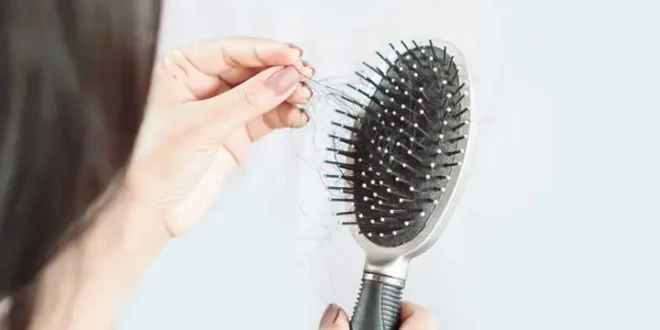
For most people, hair is an important part of their appearance – it can even be an extension of their personality. That’s why thinning hair or baldness can be so upsetting. Knowing the cause of hair loss is an important step in treating it. However, there are a number of reasons why your hair may be falling out, so it can be challenging to identify the root cause and develop a successful treatment plan.
This guide covers the most common causes of hair loss, as well as some less common ones. It will help you understand what may be happening to your hair and what you can do about it.
What Causes It
Genes play a significant role in determining the pattern and extent of hair loss. Specifically, you may inherit a sensitivity to the hormone dihydrotestosterone (DHT). This can lead to hair follicles shrinking and producing thinner, shorter hairs that are less pigmented – a process known as miniaturization.
What It Looks Like
In men, androgenetic alopecia typically manifests as a receding hairline and/or baldness at the top of the head. These two areas of hair loss may connect, leaving only a horseshoe-shaped region of hair at the sides and back of the head. In women, the hair loss is usually diffuse, affecting the top of the head, with the part widening as the condition progresses. Women are less likely to experience total baldness than men.
Statistics
By age 50, approximately 50% of men and 25% of women will experience some degree of androgenetic alopecia. By age 70, this number increases to about 80% in men.
2. Hormonal Changes: When Your Hormones Dictate Your Hair’s Fate
Your hormones are powerful chemical messengers that can have a significant impact on your hair growth. Fluctuations in hormone levels can lead to hair loss in both men and women.
Hormonal Changes in Women
During pregnancy, estrogen levels are elevated, which can prolong the growth phase of hair follicles. As a result, many women experience thicker, fuller hair during pregnancy. However, after childbirth, estrogen levels drop dramatically, causing a large number of hair follicles to enter the resting phase at the same time. This can lead to significant hair loss several months postpartum, usually resolving within six to twelve months.
Menopause is another period of hormonal change for women, as levels of estrogen and progesterone decline while androgen levels rise. This shift can contribute to female-pattern hair loss.
Thyroid Hormones
Both hypothyroidism (underactive thyroid) and hyperthyroidism (overactive thyroid) can cause hair loss. The thyroid gland produces hormones that regulate metabolism, and imbalances can disrupt the normal hair growth cycle. Hair loss associated with thyroid disorders is typically diffuse and may be accompanied by other symptoms such as fatigue and weight changes.
PCOS and Hormonal Imbalances
Polycystic ovary syndrome (PCOS) is a hormonal disorder that can cause irregular menstrual cycles, ovarian cysts, and increased levels of androgens. PCOS can lead to hair loss on the scalp while also promoting unwanted hair growth on other parts of the body.
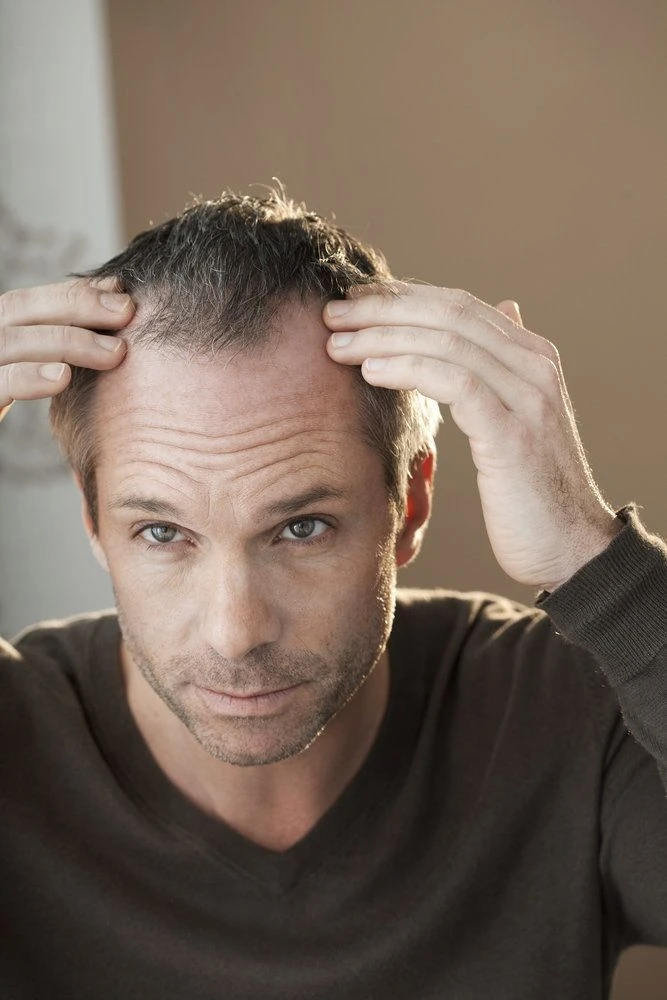
Stress and trauma can take a toll on your hair, leading to a condition called telogen effluvium. This type of hair loss occurs when a large number of hair follicles enter the resting phase prematurely, causing excessive shedding.
What Causes It
Telogen effluvium can be triggered by various types of stress, including physical stress (such as surgery or illness), emotional stress (such as the loss of a loved one), and even extreme dieting. The stress response can cause up to 70% of your hair follicles to shift to the telogen (resting) phase at once, resulting in noticeable hair loss two to three months later.
What It Looks Like
Telogen effluvium typically presents as diffuse hair loss all over the scalp. However, it can also cause patchy bald spots if the stress is localized to a particular area. The good news is that telogen effluvium is usually temporary, with hair regrowth occurring within six to nine months after the stressful event has passed.
3. Trichotillomania: When Stress Leads to Hair-Pulling
Trichotillomania is a psychological condition characterized by an irresistible urge to pull out your own hair. It can be triggered by stress and often leads to patchy bald spots. Fortunately, it can often be treated with psychotherapy, such as cognitive behavioral therapy (CBT).
4. Poor Nutrition: Your Hair Tells the Story of What You Eat
Your hair is a reflection of your overall health, and poor nutrition can have a detrimental effect on its growth and appearance.
What Causes It
Hair loss due to poor nutrition can be caused by a deficiency in various vitamins and minerals. For example, a lack of iron can impair the production of hemoglobin, which is necessary for transporting oxygen to the hair follicles. Protein is also essential for hair growth, as hair is primarily composed of keratin, a protein. Other nutrients that are important for hair health include vitamins D and B, zinc, and biotin.
Can It Be Prevented or Treated
The best way to prevent hair loss due to poor nutrition is to eat a balanced diet that includes plenty of protein, fruits, vegetables, and healthy fats. If you suspect that a nutrient deficiency may be contributing to your hair loss, you may want to speak with a healthcare provider about supplements.
5. Medical Conditions and Autoimmune Diseases: When Hair Loss Is a Symptom
Hair loss can sometimes be a sign of an underlying medical condition, such as alopecia areata, scalp infections, or lupus.
Alopecia Areata: An Autoimmune Condition
Alopecia areata is an autoimmune disease that causes patchy hair loss on the scalp, beard, or other parts of the body. It occurs when the immune system attacks the hair follicles, preventing them from growing hair. In some cases, alopecia areata can progress to alopecia totalis (loss of all scalp hair) or alopecia universalis (loss of all body hair). Treatment options include corticosteroid injections and topical immunotherapy.
Scalp Infections
Fungal infections, such as tinea capitis (ringworm of the scalp), can cause patchy hair loss, along with redness and scaling of the scalp. Bacterial infections can also affect the hair follicles and lead to hair loss. These infections are more common in children but can occur in adults as well.
Lupus and Hair Loss
Systemic lupus erythematosus is an autoimmune disease that can cause a wide range of symptoms, including hair loss. Hair loss due to lupus can be patchy or diffuse and may be accompanied by other symptoms, such as a butterfly-shaped rash on the face.
Diabetes and Hair Loss
Diabetes can damage blood vessels, reducing blood flow to the scalp and affecting hair growth. It can also increase the risk of infections, which can contribute to hair loss.
6. Medications: When Treatments Cause Hair Loss
Many medications can cause hair loss as a side effect, usually by disrupting the normal hair growth cycle.
Common Culprits
Some of the medications that are most likely to cause hair loss include blood thinners, blood pressure medications, cholesterol-lowering drugs, antidepressants, anti-seizure medications, and chemotherapy drugs. Hormonal contraceptives, anabolic steroids, and acne treatments such as isotretinoin can also contribute to hair loss.
Can It Be Prevented or Treated
In most cases, medication-induced hair loss is temporary and will resolve on its own once the offending drug is discontinued. However, it is important to speak with a healthcare provider before making any changes to your medication regimen.
7. Hairstyles and Treatments: The Beauty Routine That May Be Damaging Your Hair
Tight hairstyles, chemical relaxers, and heat styling tools can all damage your hair and lead to hair loss.
Traction Alopecia: The Price of Tight Hairstyles
Wearing tight ponytails, braids, buns, or cornrows can cause a type of hair loss called traction alopecia. This occurs when the hair follicles are stretched and damaged due to constant tension. Traction alopecia can cause permanent hair loss, especially around the hairline and temples.
Chemical Damage: Relaxers, Perms, and Bleach
Chemical treatments such as relaxers, perms, and bleach can damage the hair shaft and cause hair breakage. If the chemicals come into contact with the scalp, they can also damage the hair follicles and inhibit hair growth.
Heat Damage: Flat irons, Curling Wands, and Blowouts
Using hot styling tools on a regular basis can weaken the hair and cause it to break. While heat damage typically affects the hair shaft rather than the follicles, severe burns to the scalp can destroy hair follicles and lead to permanent hair loss.
8. Aging: The Inevitable Cause of Hair Loss
As you age, your hair growth cycle naturally slows down. The anagen (growth) phase becomes shorter, and the hair that does grow is often finer and more brittle. By age 60, most people will notice some degree of hair thinning, regardless of gender.
While you cannot stop the aging process, you can take steps to slow down hair loss and improve the health of your existing hair.
9. Environmental Factors: The Hidden Contributors to Hair Loss
The environment you live in can have a significant impact on your hair health.
Pollution and Hard Water
Air pollution can contribute to hair loss by damaging the scalp and hair follicles. Hard water, which contains high levels of minerals such as calcium and magnesium, can also make your hair dry and brittle.
UV Radiation and Seasonal Changes
Exposure to UV radiation can damage the hair cuticle and proteins in the hair shaft. It can also damage the scalp, leading to hair loss. Hair loss due to seasonal changes is also common, with many people noticing increased shedding in the fall.
10. Sudden Weight Loss: When Your Diet Plays Tricks on Your Hair
Sudden weight loss, whether intentional or not, can cause telogen effluvium. This is because the body interprets rapid weight loss as a form of stress and redirects resources away from hair growth. Crash diets, bariatric surgery, and eating disorders such as anorexia and bulimia can all contribute to hair loss.
How to Tell What’s Causing Your Hair Loss
Now that you know the most common causes of hair loss, how can you tell which one is affecting you? The following table provides an overview of the different patterns of hair loss and their potential causes:
Conclusion: Knowledge Is Power – And It Can Help You Regain Your Hair
Hair loss can be a frustrating and disheartening experience, but it is usually not permanent or irreversible. By understanding the different causes of hair loss, you can take steps to prevent further hair loss and promote hair regrowth. In most cases, the best thing you can do is consult a healthcare provider to rule out any underlying medical conditions.
Your hair is an important part of your appearance, so it is understandable that you may want to take action to improve its health and appearance. However, it is important to be patient and consistent, as hair growth takes time. With the right care and treatment, you can help your hair regain its health and vitality.
Are you experiencing hair loss? What pattern are you seeing? Tell us in the comments below!